Hamza Abushahla Researcher & Embedded ML Engineer

Research

Publications

These are papers that have already been published.

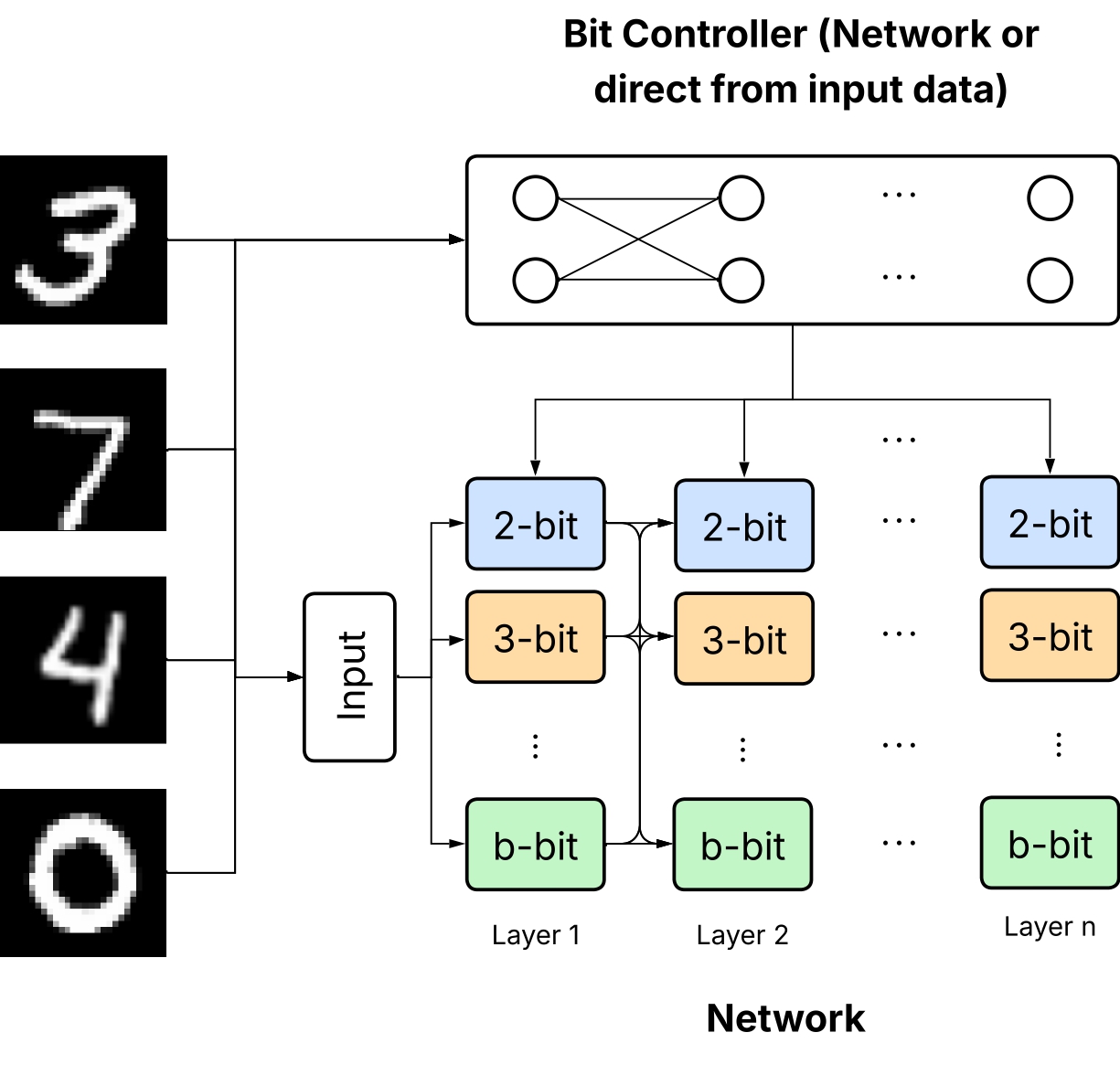
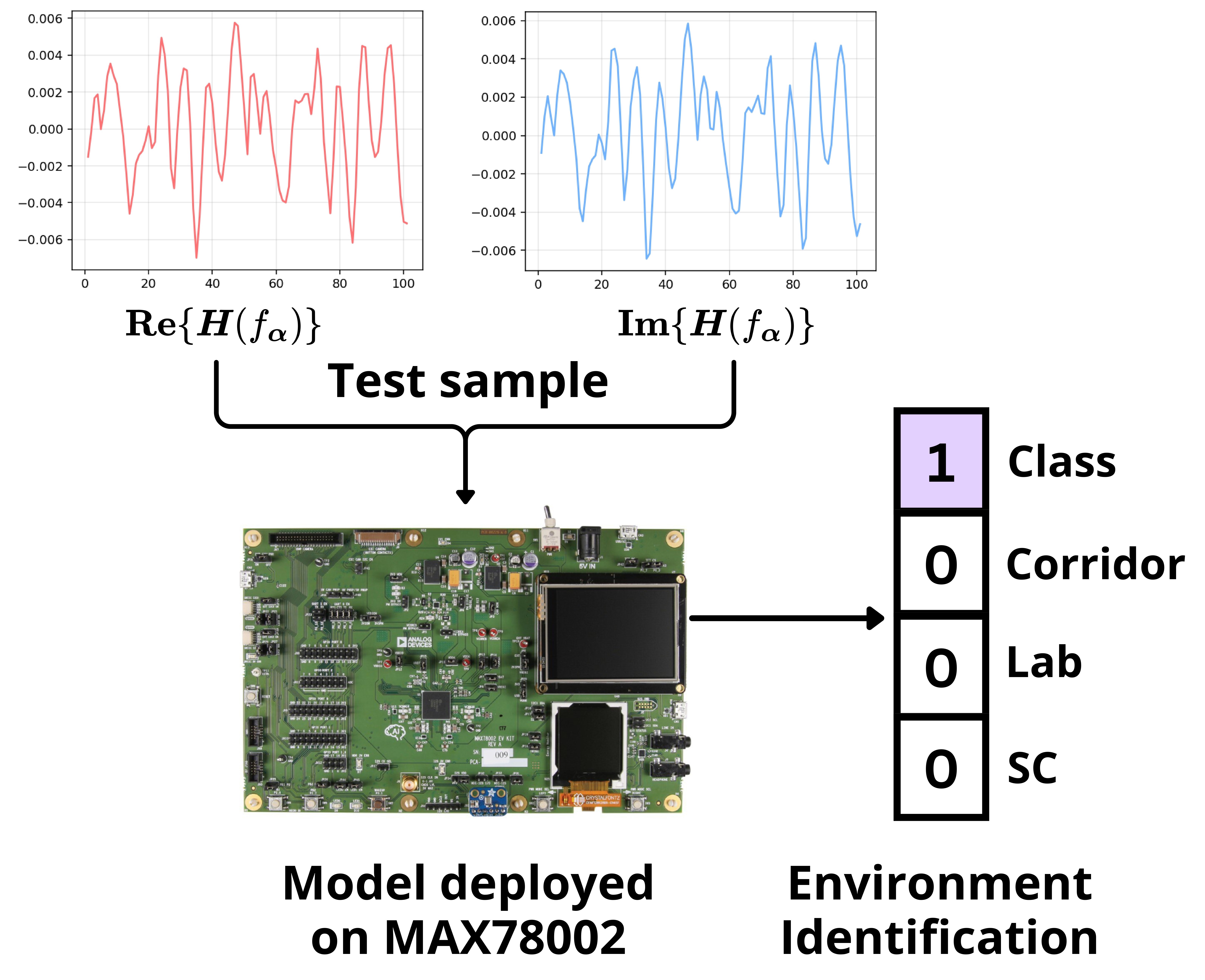
Sub-Millisecond, Microjoule Edge Inference for Indoor Environment Identification via Layer-Wise Mixed-Precision Quantization

Hamza A. Abushahla, Muhammed Noshin, Mohamed I. AlHajri, and Nazar T. Ali

IEEE Internet of Things Journal, 2026 (Q1, IF 8.9, 97th percentile)

This work presents a hardware-aware framework that integrates Quantization-Aware Training (QAT) with Layer-Wise Mixed-Precision Quantization (MPQ) to enable sub-millisecond, microjoule inference for indoor environment classification on the MAX78002 microcontroller.
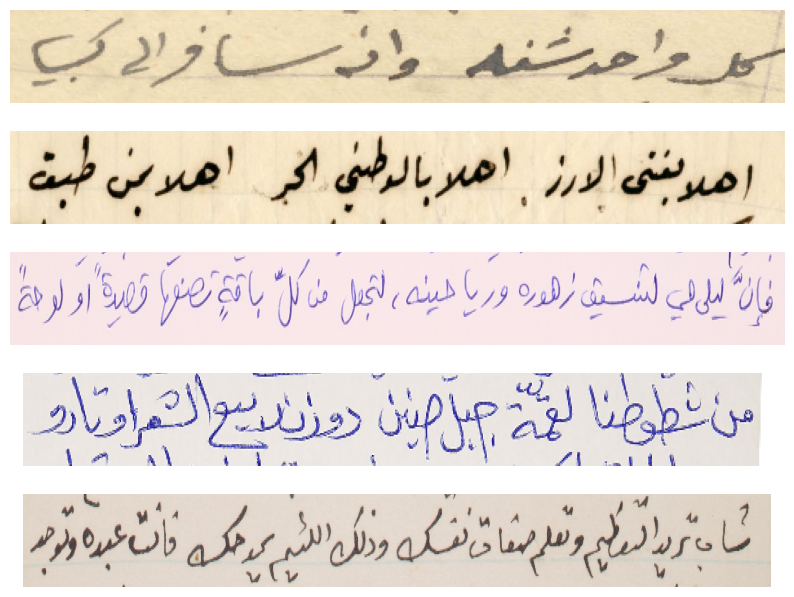
Different Strokes for Different Folks: Writer Identification for Historical Arabic Manuscripts

Hamza A. Abushahla*, Ariel Justine Navarro Panopio*, Layth Al-Khairulla*, Mohamed I. AlHajri

International Journal on Document Analysis and Recognition (IJDAR), 2026 (Q2, IF 2.5, 74th percentile)

In this work, we manually verified and labeled a substantial chunk of the public portion of the Muharaf dataset, enhancing its applicability for supervised learning and writer identification. We developed an end-to-end CNN-based DL system with attention mechanisms for line-level writer identification in historical Arabic handwritten manuscripts using this labeled Muharaf Dataset, accommodating up to two authors per line.

From Sensor to Server: Deployable Lightweight ML for IoT Intrusion Detection Across Network Layers

Ariel Justine N. Panopio, Hamza A. Abushahla, Ali Reza Sajun, Sameer Alawnah, Fadi Aloul, and Imran Zualkernan

IEEE Internet of Things Journal, 2026 (Q1, IF 8.9, 97th percentile)

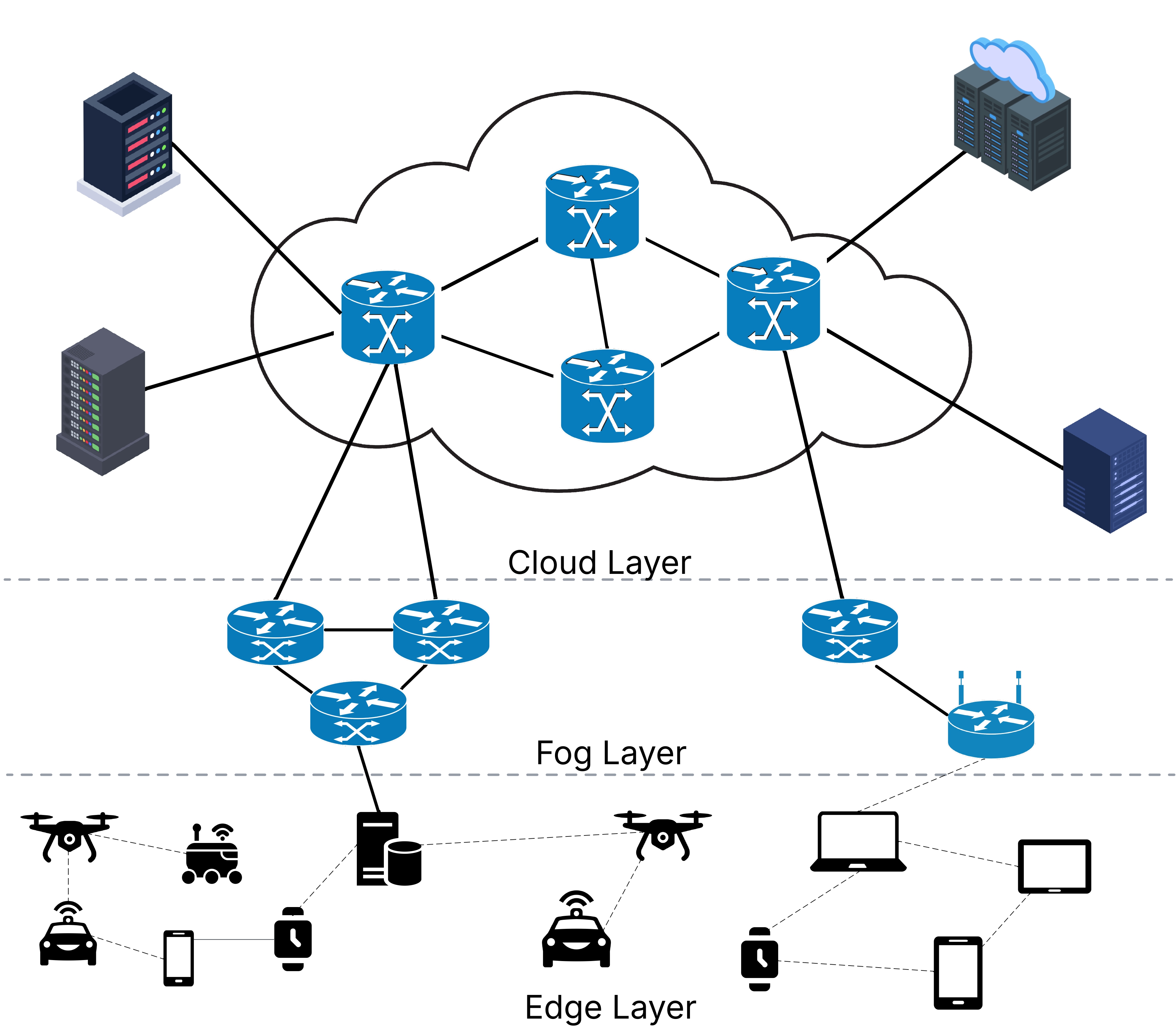
This work presents a deployable, lightweight machine learning (ML) framework for Intrusion Detection Systems (IDS) designed to operate across edge, fog, and cloud layers of the IoT stack

Neural Network Quantization for Microcontrollers: A Comprehensive Review of Methods, Platforms, and Applications

Hamza A. Abushahla, Dara Varam, Ariel J. N. Panopio, and Mohamed I. AlHajri

arXiv preprint, 2025

We comprehensively review the quantization landscape, specifically for microcontroller-class (MCUs) devices. The survey covers advanced quantization techniques, hardware platforms as part of three families (ARM-based, RISC-V-based and NPU-based), software toolchains, and applications.

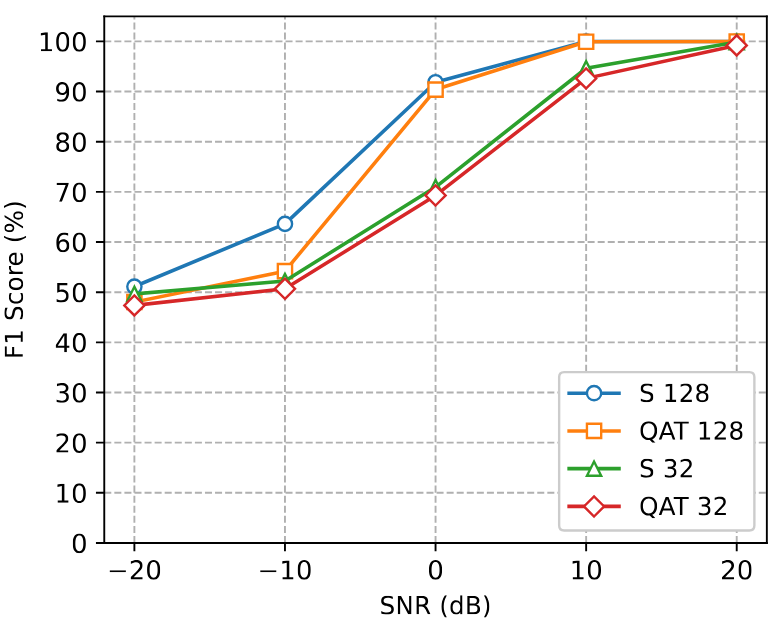
Cognitive Radio Spectrum Sensing on the Edge: A Quantization-Aware Deep Learning Approach

Hamza A. Abushahla, Dara Varam, Mohamed I. AlHajri

IEEE Communications Letters, 2025 (Q1, IF 4.4, 93rd percentile)

We study the effect of quantization-aware-training (QAT) on two SOTA spectrum sensing models - DeepSense and ParallelCNN. Models are deployed on a Sony Spresense for hardware evaluation.

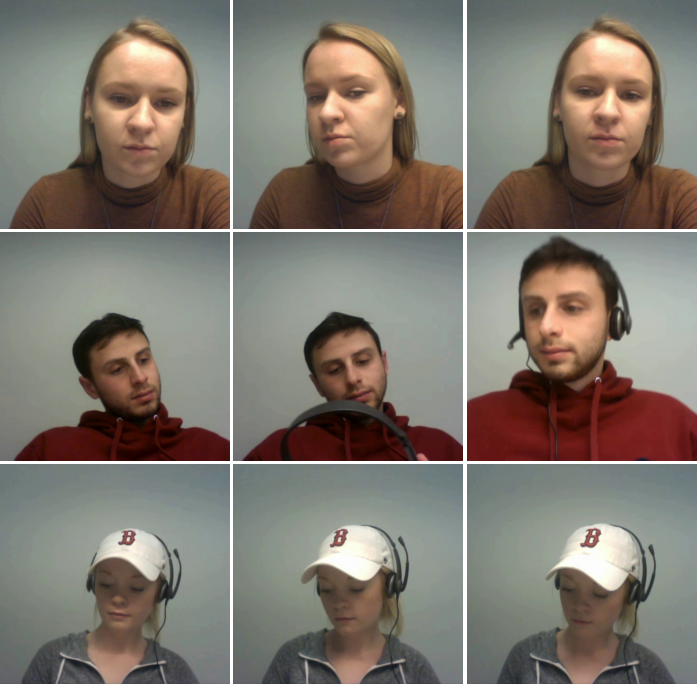
Real-Time Student Engagement Monitoring on Edge Devices: Deep Learning Meets Efficiency and Privacy

Hamza A. Abushahla, Rana Gharaibeh, Lodan Elmugamer, Ali Reza Sajun, Imran A. Zualkernan

IEEE Global Engineering Education Conference (EDUCON), 2025

This work explores the deployment of deep learning models on resource-constrained edge devices to monitor student engagement in real time, with an emphasis on efficiency and privacy.

Research Projects

These include coursework, side projects and unpublished research work.

Diffusion Disruption: A Systematic Review of the Synthetic Sequential Data Revolution

Hamza Abushahla, Ariel Justine Panopio, Sarah Elfattal, and Imran A. Zualkernan

MLR510 Survey, 2025

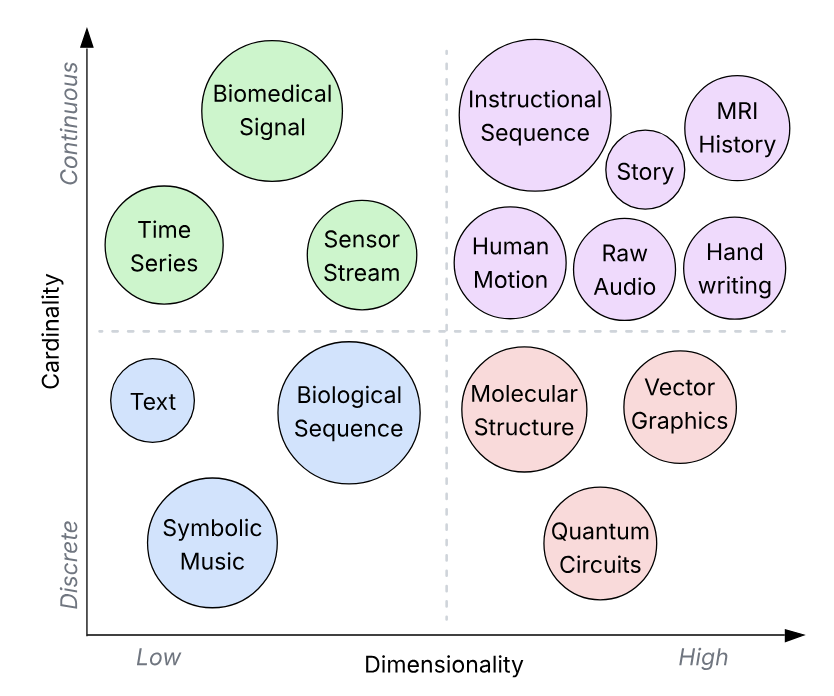
The survey offers a systematic, data-driven review of diffusion-based generative models for synthetic sequential data published between 2023 and 2025, organizing existing approaches by sequence dimensionality, cardinality, and structural complexity, and examining recent work in terms of architectures, training strategies, and evaluation practices. It identifies common challenges, highlights gaps in current research, and outlines future directions to improve applicability, robustness, and cross-domain generalization.

Continual Reinforcement Learning: A Survey of Current Trends, Challenges, and the Road Ahead

Hamza Abushahla, Ariel Justine Panopio, Layth Al-Khairulla, and Omar Arif

MLR555 Suvey, 2025

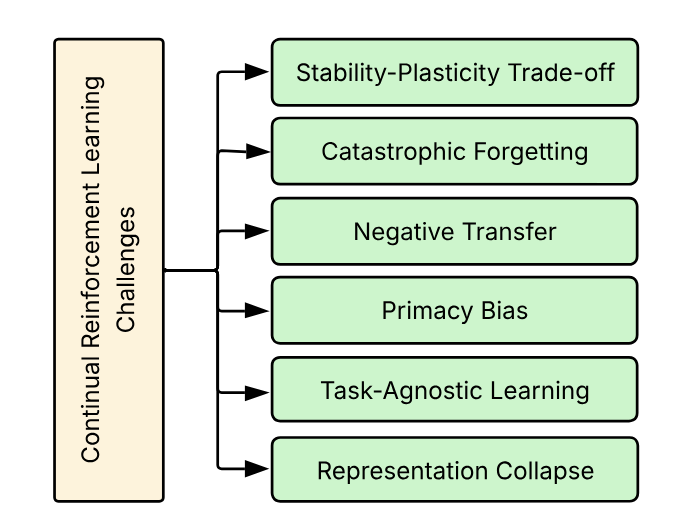
This survey provides a systematic, up-to-date review of CRL from 2022–2025, outlining the field’s conceptual foundations, proposing a taxonomy of recent methods by core mechanisms, and critically analyzing current benchmarks, metrics, and evaluation protocols, with particular focus on open challenges such as unified evaluation criteria, ecological validity, and assessment in multi-agent and interactive settings.

Navigate Without Forgetting: Continual Reinforcement Learning for Mobile Robot Navigation in Webots

Hamza Abushahla, Ariel Justine Panopio, Layth Al-Khairulla, and Omar Arif

MLR555 Project, 2025

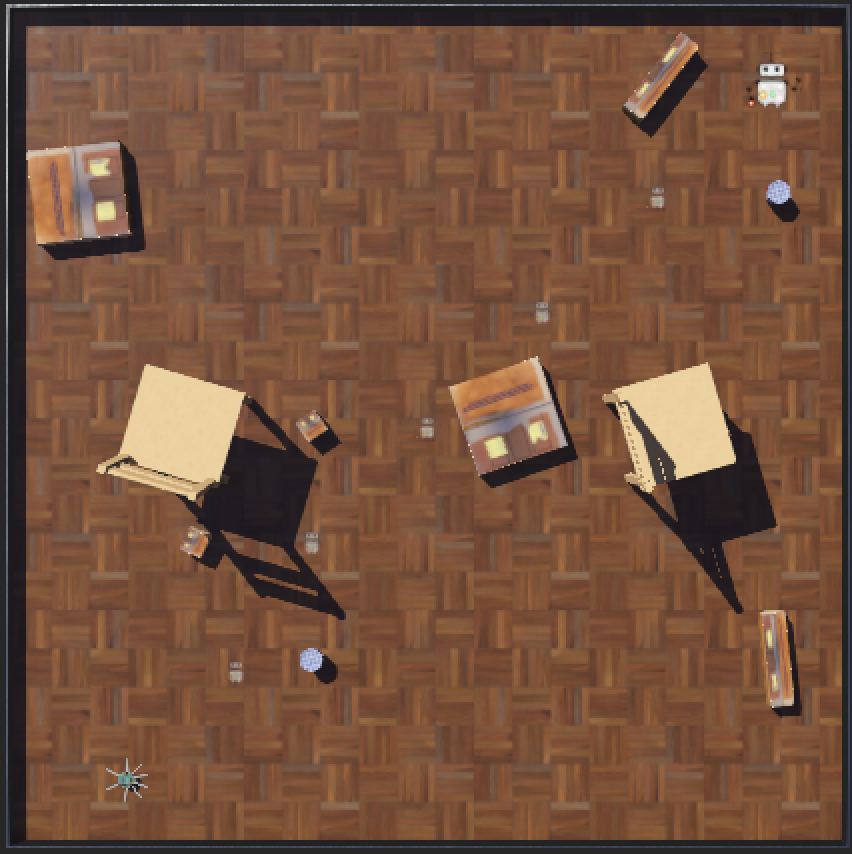
This project implements a Continual Reinforcement Learning (CRL) framework for mobile robot navigation using the e-puck robot in Webots. We design a unified agent trained sequentially across multiple tasks—maze navigation, line following, and obstacle avoidance—using Soft Actor-Critic (SAC). The setup evaluates the agent’s ability to learn new behaviors while retaining previously acquired skills.

From Script to Digital: A Deep Learning Approach to Arabic Handwriting Recognition

Hamza Abushahla, Ariel Justine Panopio, Layth Al-Khairulla

MLR503 Project, 2024

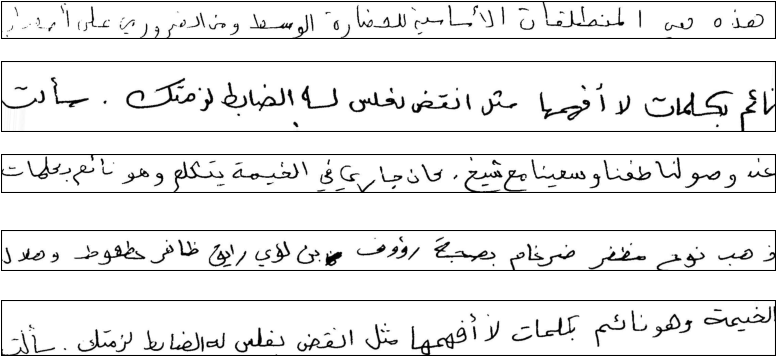
This was my MLR503: Data Mining and Knowledge Discovery Course Research Project. We developed an end-to-end deep learning-based handwritten text recognition (HTR) system for Arabic script leveraging the KHATT Dataset. To further enhance recognition accuracy, we incorporated KenLM for post-processing.

Cognitive Radio Spectrum Sensing and Allocation: A Low-Complexity Deep Learning Approach

Hamza Abushahla, Ghanim Al-Ali, Sultan Abdalla, Muhammad Ismail Sadaqat, Mohamed AlHajri, Taha Landolsi

Senior Design Project, 2024

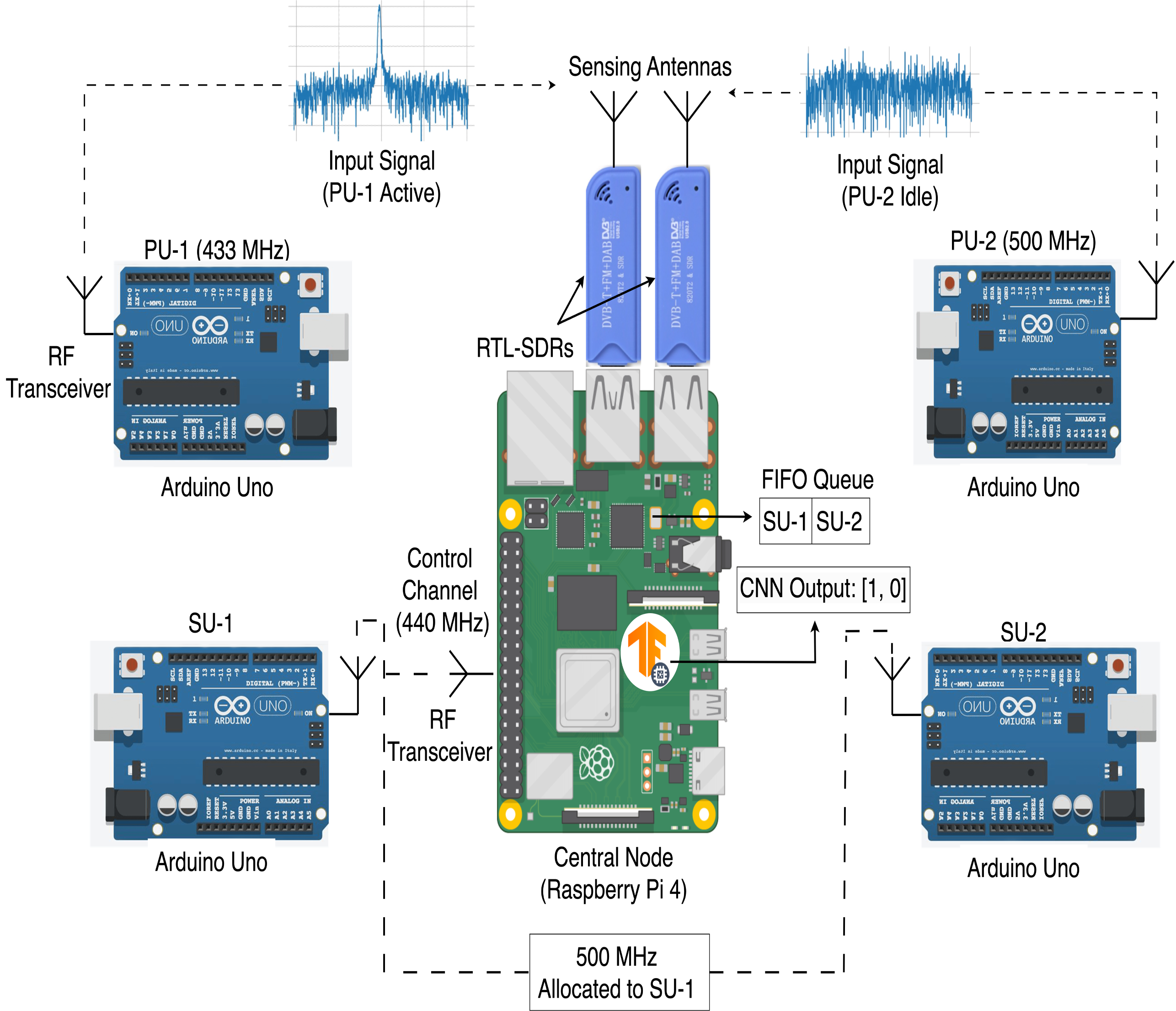
This was my B.Sc. in Computer Engineering Senior Design Project, focused on spectrum sensing and allocation using a low-complexity deep learning-based (CNN) spectrum sensing algorithm. The project involved developing and quantizing the CNN model, which was deployed on hardware for real-time operation. The solution was demonstrated both in simulation and on hardware, utilizing a Raspberry Pi as the central node, RTL-SDR for signal sensing, and LoRa transceivers for communication. This dual demonstration validated the practicality and efficiency of the approach in addressing dynamic spectrum management challenges.